

Explore the science behind SLU-PP-332. It is a synthetic pan-estrogen-related receptor agonist investigated for mitochondrial biology, cellular energy metabolism, oxidative phosphorylation, and transcriptional regulation. This guide summarizes current preclinical research and laboratory information for qualified researchers.
SLU-PP-332 has emerged as one of the most widely discussed experimental compounds in metabolic research. Researchers are interested in its ability to activate estrogen-related receptors (ERRs). These nuclear receptors regulate genes involved in cellular energy production. Rather than targeting a single metabolic enzyme or signaling pathway, the compound allows researchers to investigate broader transcriptional networks. These networks influence mitochondrial function, oxidative metabolism, and long-term metabolic adaptation.
Interest in SLU-PP-332 has increased following preclinical investigations examining its effects on cellular bioenergetics and exercise-associated molecular pathways. However, published findings remain limited to laboratory research. Even so, the compound has become an important experimental tool. It helps scientists better understand how cells generate, regulate, and utilize energy under different physiological conditions.
Manufacturers supply SLU-PP-332 5mg lyophilized powder for laboratory research. Regulatory authorities have not approved it for therapeutic, diagnostic, or clinical use. Current scientific knowledge comes from biochemical studies, cultured-cell experiments, and animal models. As research continues, SLU-PP-332 contributes to a growing understanding of mitochondrial biology, nuclear receptor signaling, and metabolic regulation.
SLU-PP-332 is a synthetic small-molecule research compound developed to activate estrogen-related receptor alpha (ERRα), beta (ERRβ), and gamma (ERRγ) simultaneously. Because it activates all three receptor subtypes, it is commonly classified as a pan-estrogen-related receptor (pan-ERR) agonist. This broad receptor activity makes the compound an increasingly valuable experimental tool for investigating mitochondrial function, oxidative metabolism, transcriptional regulation, and cellular energy homeostasis.
Although SLU-PP-332 is frequently listed alongside peptide products by laboratory suppliers, it is not a peptide. Unlike peptide-based compounds, which are composed of amino acids and typically interact with receptors located on the cell surface, SLU-PP-332 is a chemically synthesized small molecule capable of entering cells and interacting directly with intracellular nuclear receptors. This distinction allows researchers to investigate biological processes regulated through changes in gene expression rather than immediate receptor-mediated signaling.
Activation of estrogen-related receptors influences the transcription of numerous genes associated with mitochondrial maintenance, oxidative phosphorylation, fatty acid metabolism, and ATP production. Instead of triggering a single biochemical reaction, SLU-PP-332 enables researchers to study coordinated metabolic responses that occur across multiple cellular pathways, providing valuable insight into the complex mechanisms responsible for energy regulation.
Since its introduction into preclinical research, scientists have investigated SLU-PP-332 in studies involving mitochondrial biology, skeletal muscle physiology, cellular bioenergetics, and molecular metabolism.
Synthetic Small Molecule
ERRα, ERRβ & ERRγ
Mitochondrial Biology & Cellular Energy Metabolism
Preclinical Laboratory Investigation
SLU-PP-332 has attracted significant interest within the scientific community because it targets one of the body's most important regulatory systems for cellular energy metabolism. Instead of influencing a single enzyme or isolated signaling pathway, the compound activates estrogen-related receptors (ERRs), transcription factors that regulate extensive genetic programs responsible for mitochondrial function, oxidative phosphorylation, fatty acid metabolism, and energy production.
Over the last decade, metabolic research has shifted from studying individual biochemical reactions toward understanding how complex genetic networks coordinate cellular adaptation. This transition has made nuclear receptors more important such as ERRα, ERRβ, and ERRγ, which collectively regulate hundreds of genes involved in maintaining energy homeostasis across multiple tissues.
By selectively activating these receptors, SLU-PP-332 allows researchers to investigate coordinated metabolic responses rather than isolated cellular events. This systems-level approach provides valuable insight into how cells respond to increased energy demands, regulate mitochondrial activity, and maintain metabolic efficiency under controlled laboratory conditions.
Another factor contributing to the growing interest in SLU-PP-332 is its use in studies exploring exercise-associated molecular signaling. Furthermore, researchers have investigated whether activation of ERR pathways can reproduce specific gene expression patterns commonly observed during endurance exercise. These investigations have expanded scientific understanding of metabolic regulation while positioning SLU-PP-332 as an important experimental tool in preclinical research.
SLU-PP-332 functions as a pan-estrogen-related receptor (pan-ERR) agonist, meaning it activates all three members of the estrogen-related receptor family—ERRα, ERRβ, and ERRγ. Unlike conventional compounds that interact with receptors located on the surface of cells, SLU-PP-332 enters the cell and binds directly to nuclear receptors responsible for regulating gene transcription.
Once activated, these receptors interact with specific regions of DNA and recruit transcriptional co-regulators that influence the expression of genes involved in mitochondrial maintenance, oxidative phosphorylation, fatty acid oxidation, and ATP production. Rather than producing an immediate biochemical response, this process modifies long-term patterns of gene expression that support cellular adaptation to changing metabolic demands.
A key aspect of ERR signaling is its close relationship with peroxisome proliferator-activated receptor gamma coactivator-1 alpha (PGC-1α), a transcriptional coactivator widely recognized as a master regulator of mitochondrial biogenesis. Together, ERRs and PGC-1α coordinate numerous biological pathways responsible for cellular respiration, mitochondrial function, and energy metabolism, making them central components of metabolic research.
Because tissues with substantial energy requirements highly express estrogen-related receptors, including skeletal muscle, cardiac muscle, liver, kidneys, and brown adipose tissue—SLU-PP-332 has become a valuable research compound for investigating transcriptional regulation across multiple physiological systems.
Estrogen-related receptors (ERRs) belong to the nuclear receptor superfamily, a group of intracellular proteins that regulate gene expression by functioning as transcription factors. Despite their structural similarity to classical estrogen receptors, ERRs do not require estrogen for activation and participate in distinct biological pathways associated primarily with energy metabolism rather than hormone signaling.
Researchers have identified three receptor subtypes: ERRα (Estrogen-Related Receptor Alpha), ERRβ (Estrogen-Related Receptor Beta), and ERRγ (Estrogen-Related Receptor Gamma). Although each receptor has unique biological characteristics, they share important roles in regulating mitochondrial activity, oxidative metabolism, fatty acid utilization, and cellular energy production.
Metabolically active tissues such as skeletal muscle, cardiac muscle, liver, kidneys, brain, and brown adipose tissue highly express these receptors, where efficient energy production is essential for normal cellular function. Their widespread distribution explains why they have become an important focus of modern metabolic and mitochondrial research.
SLU-PP-332 is particularly valuable because it activates all three receptor subtypes simultaneously. This helps researchers investigate coordinated transcriptional responses across multiple metabolic pathways instead of studying each receptor individually, providing a broader understanding of how nuclear receptor signaling regulates cellular energy homeostasis.
Regulates oxidative metabolism and mitochondrial activity in tissues with high energy demand, particularly skeletal and cardiac muscle.
Contributes to transcriptional regulation and developmental biology while supporting several metabolic research pathways.
Supports mitochondrial function, oxidative phosphorylation, and energy metabolism across multiple metabolically active tissues.
Together, the three receptor subtypes coordinate gene networks responsible for cellular energy production and metabolic adaptation.
Maintaining cellular energy balance requires the coordinated activity of thousands of genes that regulate nutrient utilization, mitochondrial function, and ATP production. Rather than controlling individual biochemical reactions, estrogen-related receptors (ERRs) function as master transcriptional regulators that influence extensive metabolic networks responsible for cellular adaptation and energy homeostasis.
Researchers study these receptors because they are highly expressed in tissues with significant energy demands, including skeletal muscle, cardiac muscle, liver, kidneys, and brown adipose tissue. Within these tissues, ERR signaling contributes to the regulation of oxidative phosphorylation, fatty acid metabolism, mitochondrial biogenesis, and cellular respiration, making the receptor family an important focus of modern metabolic research.
Moreover, scientific investigations involving ERRs help researchers understand how cells respond to increased energy requirements, prolonged metabolic stress, nutrient availability, and physiological adaptation. Rather than examining isolated signaling pathways, ERR biology provides insight into the transcriptional mechanisms that coordinate complex metabolic processes throughout the body.
This systems-level role explains why compounds capable of selectively activating estrogen-related receptors, such as SLU-PP-332, have become valuable tools for investigating the molecular foundations of cellular energy regulation.
Although numerous compounds are available for metabolic research , relatively few operate through the transcriptional regulation of nuclear receptors. Researchers design many experimental molecules to inhibit enzymes, activate membrane-bound receptors, or influence individual signaling proteins. SLU-PP-332 follows a fundamentally different biological mechanism by targeting intracellular estrogen-related receptors that regulate gene expression across multiple metabolic pathways.
Another defining characteristic of SLU-PP-332 is its chemical classification. Although research suppliers occasionally group it with peptide products, it is not a peptide. Instead, it is a chemically synthesized small molecule that readily enters cells and interacts directly with nuclear receptors responsible for controlling transcriptional activity.
Because activation of ERRα, ERRβ, and ERRγ influences numerous genes simultaneously, researchers can investigate coordinated biological responses rather than isolated metabolic reactions. This broader perspective makes SLU-PP-332 particularly valuable for studies involving mitochondrial function, oxidative metabolism, fatty acid utilization, and long-term cellular adaptation.
Its selectivity toward the estrogen-related receptor family also provides researchers with greater experimental precision.
This allows investigations to focus specifically on ERR-mediated signaling while minimizing interference from unrelated molecular pathways.
Chemically synthesized compound rather than an amino acid-based peptide.
Directly activates intracellular ERR transcription factors involved in gene regulation.
Supports investigation of interconnected metabolic pathways rather than isolated reactions.
Designed exclusively for experimental laboratory investigations and preclinical studies.
One of the most widely discussed characteristics of SLU-PP-332 is its relationship to exercise-associated molecular signaling. During endurance exercise, skeletal muscle undergoes extensive transcriptional changes that improve mitochondrial function, oxidative metabolism, and overall energy efficiency. Researchers have investigated whether activating estrogen-related receptors can produce similar molecular responses under controlled laboratory conditions.
Additionally, preclinical studies have demonstrated that stimulation of ERR signaling influences genes associated with mitochondrial biogenesis, oxidative phosphorylation, and fatty acid oxidation. Because these pathways are also activated during endurance exercise, Researchers frequently describe SLU-PP-332 in scientific literature as an exercise mimetic.
It is important to understand that this terminology refers specifically to molecular and transcriptional responses observed in laboratory research. It does not indicate that the compound reproduces the complete physiological, cardiovascular, neurological, or musculoskeletal benefits associated with physical exercise in humans.
Ongoing research continues to investigate the relationship between ERR activation and exercise-associated gene expression, making this one of the most active areas of scientific interest surrounding SLU-PP-332.
Mitochondria are responsible for producing the majority of cellular ATP through oxidative phosphorylation, making them central to nearly every biological process requiring energy. In addition to ATP generation, mitochondria participate in cellular signaling, calcium regulation, programmed cell death, and numerous metabolic reactions that support normal physiological function.
Because estrogen-related receptors regulate genes involved in mitochondrial maintenance and energy production, SLU-PP-332 has become an important research compound for investigating mitochondrial biology. Activation of ERR signaling enables researchers to examine transcriptional mechanisms associated with mitochondrial biogenesis, respiratory capacity, oxidative metabolism, and cellular adaptation to changing energy demands.
In addition, laboratory investigations commonly measure mitochondrial gene expression, oxygen consumption, ATP synthesis, respiratory enzyme activity, and oxidative capacity following treatment with SLU-PP-332. These measurements provide valuable insight into how coordinated gene regulation influences mitochondrial performance across different experimental models.
Researchers frequently combine SLU-PP-332 with complementary molecular techniques such as quantitative PCR, Western blot analysis, fluorescence microscopy, metabolomics, and cellular respiration assays to obtain a comprehensive understanding of mitochondrial function and metabolic regulation.
Efficient cellular metabolism depends on the continuous coordination of nutrient utilization, mitochondrial activity, ATP production, and energy expenditure. Rather than functioning independently, Complex transcriptional networks regulate these processes and enable cells to adapt to changing physiological conditions.
SLU-PP-332 provides researchers with a valuable experimental tool for investigating these adaptive mechanisms by activating estrogen-related receptors that regulate genes associated with oxidative metabolism and mitochondrial function. Through controlled laboratory studies, scientists examine how ERR activation influences cellular respiration, fatty acid oxidation, glucose metabolism, oxidative phosphorylation, and overall energy homeostasis.
Research involving SLU-PP-332 contributes to a broader understanding of metabolic flexibility—the ability of cells to efficiently transition between different energy sources depending on nutrient availability and physiological demand. Researchers consider this adaptive capacity an essential component of normal metabolic regulation and remains an important focus of contemporary molecular research.
By allowing researchers to investigate coordinated transcriptional responses rather than isolated biochemical reactions, SLU-PP-332 continues to expand scientific knowledge of the molecular mechanisms responsible for maintaining cellular energy balance.
Skeletal muscle represents one of the most metabolically demanding tissues in the body, accounting for a substantial proportion of whole-body energy consumption. During periods of increased activity, muscle fibers require rapid ATP production, enhanced mitochondrial function, and efficient utilization of energy substrates. Complex transcriptional networks control these adaptations, many of which involve estrogen-related receptors (ERRs).
Because ERRα and ERRγ are highly expressed in skeletal muscle, researchers frequently investigate their role in regulating oxidative metabolism and mitochondrial maintenance. SLU-PP-332 provides a valuable experimental tool for studying these transcriptional pathways by selectively activating all three estrogen-related receptor subtypes under controlled laboratory conditions.
Preclinical investigations commonly evaluate changes in mitochondrial gene expression, oxidative enzyme activity, respiratory capacity, and cellular metabolism following ERR activation. These studies contribute to a broader understanding of how skeletal muscle adapts to changing energy demands and maintains metabolic efficiency through coordinated gene regulation.
Current scientific knowledge comes primarily from laboratory research and animal models. Researchers must conduct additional investigations to further characterize the biological significance of these molecular responses and their relationship to normal skeletal muscle physiology.
The biological functions of estrogen-related receptors extend across numerous physiological systems, making SLU-PP-332 a versatile research compound within several fields of biomedical science. Rather than supporting investigation of a single biological pathway, the compound enables researchers to examine multiple aspects of cellular metabolism, transcriptional regulation, and mitochondrial function simultaneously.
Likewise, current scientific literature describes applications spanning metabolic biology, molecular physiology, nuclear receptor research, and cellular bioenergetics. As researchers publish additional studies, these research areas continue to expand, contributing to a broader understanding of energy regulation at the molecular level.
| Research Area | Scientific Focus |
|---|---|
| Mitochondrial Biology | Regulation of mitochondrial function, biogenesis, and respiratory activity. |
| Cellular Bioenergetics | Investigation of ATP production and energy homeostasis. |
| Metabolic Research | Studies involving oxidative metabolism, fatty acid utilization, and metabolic adaptation. |
| Exercise Physiology | Research into exercise-associated molecular signaling and transcriptional responses. |
| Nuclear Receptor Biology | Investigation of ERR-mediated gene regulation and cellular signaling. |
| Gene Expression | Analysis of transcriptional programs associated with energy metabolism. |
| Skeletal Muscle Biology | Evaluation of molecular pathways regulating muscle metabolism and mitochondrial function. |
Additionally, manufacturers generally supply SLU-PP-332 as a lyophilized powder because this presentation supports product stability during storage and transportation. Lyophilization removes moisture through a controlled freeze-drying process, helping preserve chemical integrity until the material is prepared for experimental use.
Manufacturers typically produce the compound as a white to off-white powder. Manufacturing methods, purification procedures, and production batches may cause minor variations in appearance, but these differences do not necessarily indicate changes in product quality.
Before experimental use, laboratories commonly use high-performance liquid chromatography (HPLC), liquid chromatography-mass spectrometry (LC-MS), and nuclear magnetic resonance (NMR) spectroscopy to verify compound identity and purity. These analytical procedures help ensure product consistency and support reproducible laboratory investigations.
Manufacturers use lyophilization as a standard pharmaceutical process to improve the long-term stability of sensitive research materials. By removing water under carefully controlled conditions, freeze-drying minimizes moisture-related degradation while preserving the physical characteristics of the compound during storage.
For laboratory researchers, this presentation offers several practical advantages. Laboratories can transport lyophilized products more easily. They occupy less storage space, and researchers can prepare them immediately before use according to individual experimental protocols. This approach also helps laboratories reduce unnecessary handling during storage and maintain consistent preparation across different laboratory studies.
| Compound Name | SLU-PP-332 |
| Strength | 5 mg |
| Compound Type | Synthetic Small Molecule |
| Physical Form | Lyophilized Powder |
| Appearance | White to Off-White Powder |
| Primary Target | ERRα, ERRβ & ERRγ |
| Mechanism | Pan-ERR Agonist |
| Research Use | Laboratory Research Only |
Consequently, researchers depend on high-quality and consistent experimental materials for reliable scientific research. Manufacturers typically implement quality assurance procedures throughout synthesis, purification, analytical testing, and final packaging to help ensure product integrity before release.
Manufacturers commonly verify compound identity, analytical purity, manufacturing documentation, and batch-specific quality control testing. Laboratories often perform additional in-house verification before using the material in experimental studies, supporting reproducibility and confidence in research outcomes.
While quality control procedures contribute significantly to laboratory reliability, researchers should always review the accompanying Certificate of Analysis (CoA) and product documentation before use to verify batch-specific analytical data and recommended storage conditions.
No. SLU-PP-332 is a synthetic small-molecule research compound, not a peptide. Peptides consist of amino acids connected by peptide bonds and typically interact with receptors located on the cell surface. In contrast, SLU-PP-332 is chemically synthesized and functions by activating intracellular estrogen-related receptors (ERRα, ERRβ, and ERRγ), making it structurally and mechanistically different from peptide-based research compounds.
SLU-PP-332 selectively activates the three members of the estrogen-related receptor family—ERRα, ERRβ, and ERRγ. These transcription factors regulate genes involved in mitochondrial activity, oxidative phosphorylation, fatty acid metabolism, and cellular energy production, making them important targets for metabolic and mitochondrial research.
Researchers have investigated whether activation of estrogen-related receptors produces molecular responses similar to those observed during endurance exercise. These studies focus on gene expression, mitochondrial adaptation, and metabolic signaling in laboratory models. The term "exercise mimetic" refers to these molecular observations and should not be interpreted as evidence that the compound reproduces the complete physiological benefits of physical exercise.
SLU-PP-332 is investigated across multiple research disciplines, including mitochondrial biology, cellular bioenergetics, oxidative metabolism, skeletal muscle physiology, nuclear receptor biology, transcriptional regulation, molecular metabolism, and exercise-associated signaling. Its broad mechanism of action allows researchers to examine interconnected metabolic pathways rather than isolated biochemical reactions.
No. SLU-PP-332 is an investigational research compound intended exclusively for laboratory use. Regulatory authorities have not approved it for therapeutic, diagnostic, or clinical applications. . Researchers base current knowledge of its biological activity on preclinical research involving biochemical studies, cultured-cell experiments, and animal models.
SLU-PP-332 has become an important experimental compound for researchers investigating the molecular mechanisms responsible for cellular energy metabolism. Acting as a pan-estrogen-related receptor agonist, it enables scientists to study coordinated transcriptional programs involved in mitochondrial function, oxidative phosphorylation, fatty acid utilization, and metabolic adaptation. Unlike compounds that target individual enzymes or membrane-bound receptors, SLU-PP-332 influences intracellular nuclear receptors that regulate extensive networks of metabolism-related genes.
Overall, current scientific research has positioned the compound as a valuable laboratory tool for exploring mitochondrial biology, skeletal muscle physiology, transcriptional regulation, and exercise-associated molecular signaling. Through controlled experimental studies, researchers continue to investigate how activation of estrogen-related receptors contributes to cellular energy homeostasis and long-term metabolic adaptation.
Although the available literature continues to expand, SLU-PP-332 remains a preclinical research compound intended exclusively for scientific investigation. Ongoing laboratory studies continue to improve understanding of its biological activity, receptor pharmacology, and potential applications within metabolic and molecular research.
Manufacturers supply SLU-PP-332 exclusively for laboratory research purposes. Qualified professionals should handle the compound in appropriately equipped research facilities. Regulatory authorities have not approved this compound for human or veterinary use. Researchers must use it only for laboratory research and follow established laboratory safety procedures and institutional research guidelines.
This guide presents scientific information for educational purposes. It draws on publicly available preclinical research. Readers should not interpret references to biological mechanisms, molecular pathways, and experimental observations as claims regarding safety, efficacy, or clinic. Researchers must continue investigating the biological properties and research applications of SLU-PP-332.
Researchers seeking additional information on SLU-PP-332 and estrogen-related receptor biology may wish to consult peer-reviewed publications covering the following topics:
These scientific publications provide the foundation for understanding the molecular pathways discussed throughout this guide and continue to support ongoing research in metabolism, mitochondrial biology, and nuclear receptor pharmacology.
This guide has been prepared to provide researchers with a structured overview of the current scientific understanding of SLU-PP-332. As research into estrogen-related receptor biology and cellular metabolism continues to evolve, future studies will further expand knowledge of this experimental compound and its role in preclinical metabolic research.

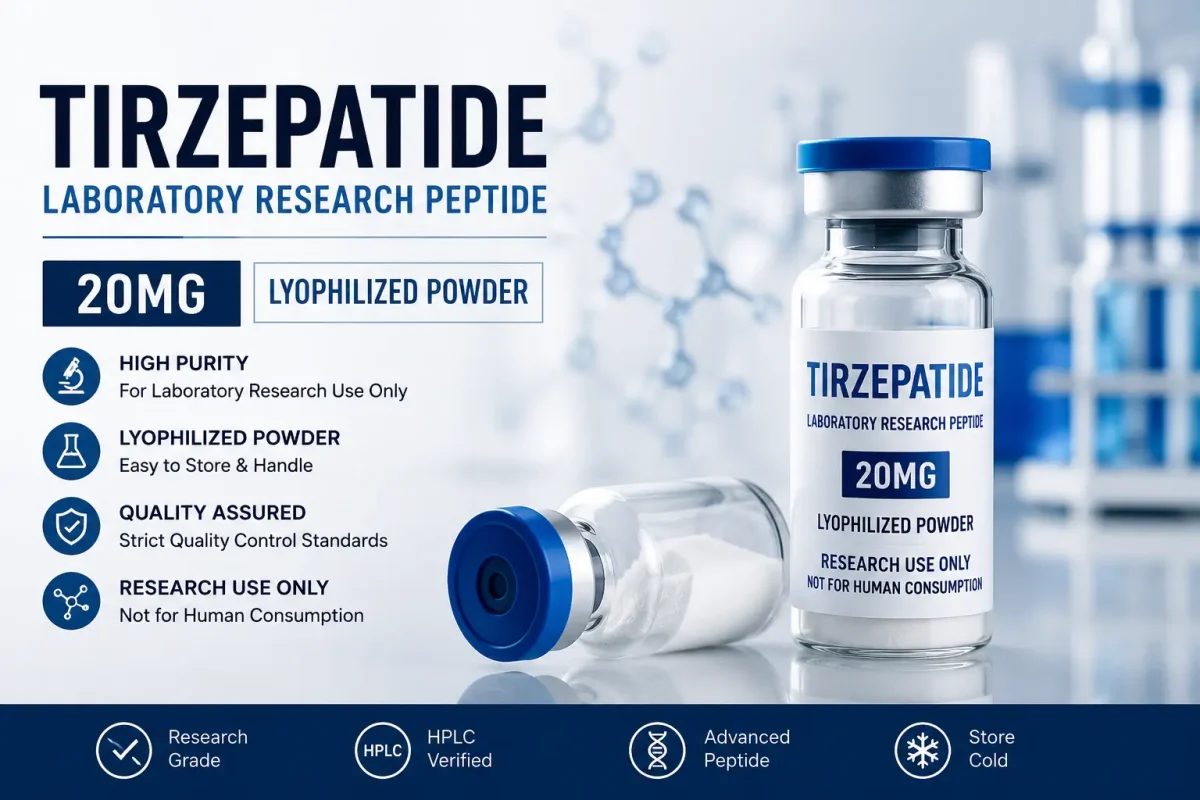
Tirzepatide Laboratory Research Peptide 20mg Scientific overview of tirzepatide, its molecular characteristics, receptor activity, lyophilized research material, and...
Read article →Laboratory Research • Peptide Science Retatrutide 60mg Research Peptide: Scientific Overview An educational overview of retatrutide, its research...
Read article →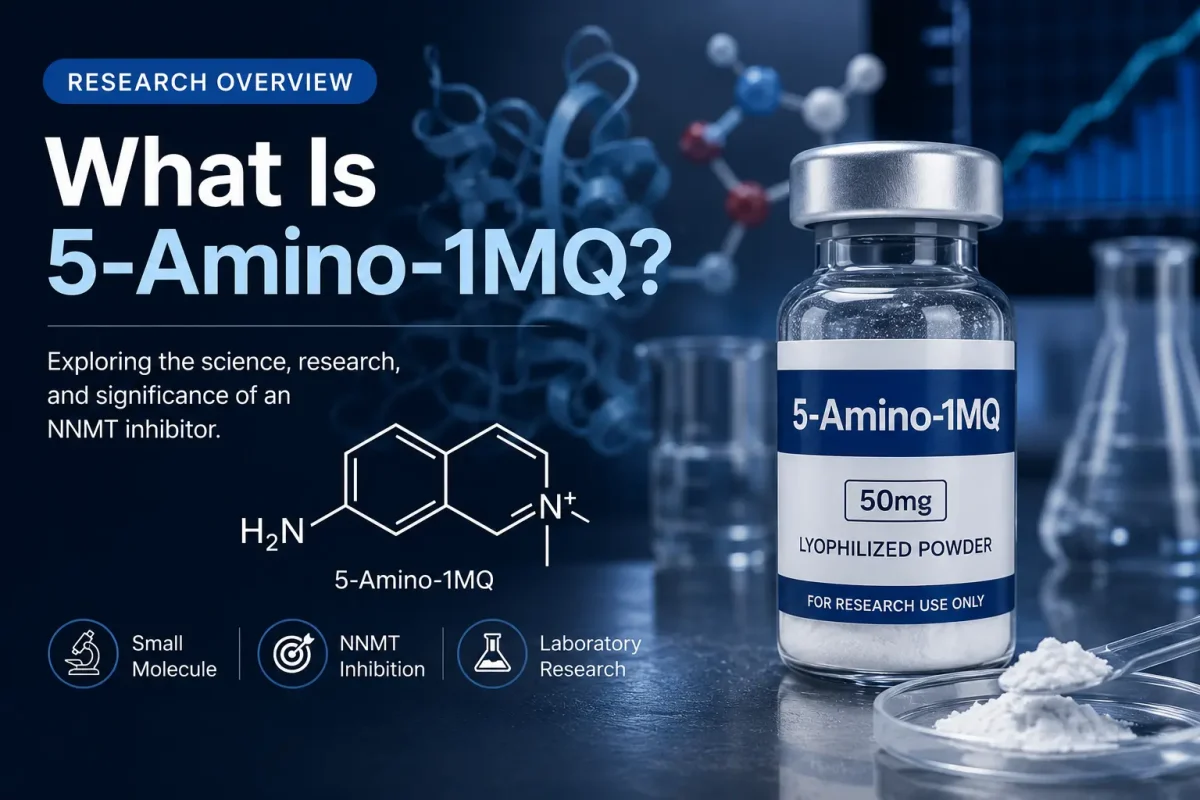
What Is 5-Amino-1MQ? Explore the identity, research background, and scientific significance of 5-Amino-1MQ in laboratory research. Research Purpose:...
Read article →
5-Amino-1MQ 50mg: An Educational Research Overview Understanding NNMT inhibition, research terminology, and the current evidence. Compound 5-Amino-1MQ Research...
Read article →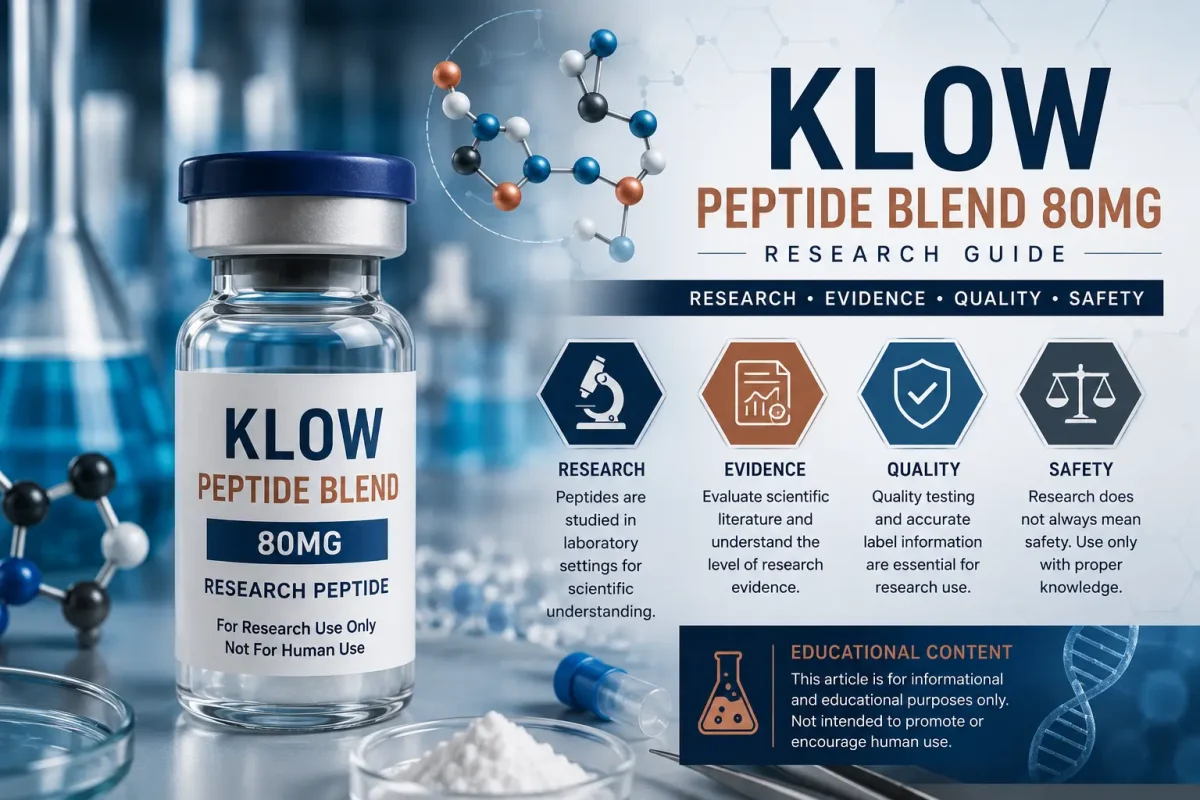
KLOW Peptide Blend 80mg: An Educational Overview Understanding peptide blends, research terminology, product labeling, and evidence. Category Peptide...
Read article →
TB-500 10mg Research Peptide: An Educational Overview A neutral introduction to TB-500, its research classification, terminology, and important...
Read article →
Laboratory Research Article Cellular Research, Peptide Science & Laboratory Characteristics Discover how multi-peptide formulations are investigated in modern...
Read article →
Scientific Research Compound Explore the science behind SLU-PP-332. It is a synthetic pan-estrogen-related receptor agonist investigated for mitochondrial...
Read article →